Science Leader/Polar Oeans

We study the polar oceans, how they affect ice shelves and regional climate.
The team’s research reduces uncertainty in future climate predictions and informs government planning.
Our two research groups (Open Oceans and Shelf Seas) focus on:
British Antarctic Survey has unique capability in these research areas, including leadership of interdisciplinary teams that work across the boundaries of glaciology, oceanography and climate science.
We study how oceans influence ice shelf and ice sheet stability.
Our team investigates how polar oceans exchange heat and carbon with the atmosphere.
We run models to simulate polar changes and their global impacts.
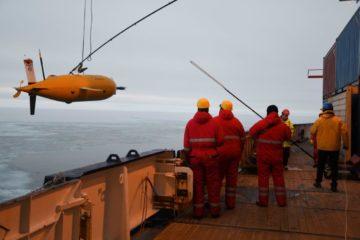
Our team uses ship-based and autonomous platforms, ice shelf instruments, and in-house technology.
We conduct numerical modelling and dynamical analyses.
Our team collaborates internationally and contributes to Intergovernmental Panel on Climate Change assessments.
We brief UK government departments and engage with business partners.
The recent extreme swings in Antarctic sea ice extent emphasise the need to increase our knowledge of the drivers and climate implications of Antarctic sea ice loss.
Science Leader/Polar Oeans

Observational Oceanographer

Head of Field Projects and Systems
Ice/Ocean Modeller

Greenland Ice Ocean Modeller

Ocean Adjoint Modeller

Physical Oceanographer and Group Head

Physical Oceanographer
Ocean/Ice Sheet Modeller

Shelf Seas Group Leader
Ocean Climate Scientist

Ocean/Ice Scientist IMP 3
Oceanographer

Ocean Modeller

Science Leader IMP 2

Physical Oceanographer

Ocean/Ice Climate Modeller

Oceanographer

Ocean/Ice Modeller
Observational Oceanographer
Ice/Ocean Modeller
Phys Scientist Ocean and Carbon Cycle Modeller
RaTS Project Manager

Ocean and Biophysical Modeller
Physical Oceanographer
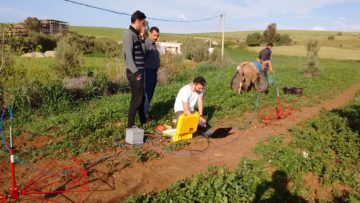
ApRES and groundwater investigated whether a technique developed to measure the basal meltrate of ice shelves can be used to monitor groundwater in arid and semi-arid regions.
The OFIC project studied how ocean heat drove ice loss in rapidly retreating parts of the Antarctic ice sheet.
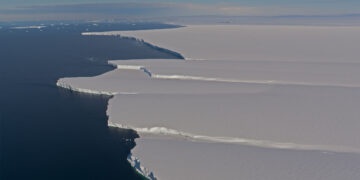
UKESM-BAS contributes to the UK Earth System Model by coupling the BISICLES ice sheet model with global climate models to improve sea level rise projections, and by developing satellite-based techniques to assess sea ice predictions.
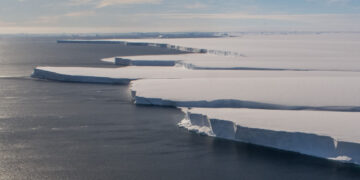
ACSIS focussed on understanding changes occurring across the North Atlantic climate system in the ocean, the atmosphere, the cryosphere and the interactions between these constituent components.
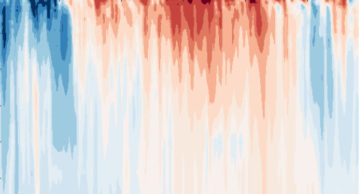
Understanding the Ocean Regulation of Climate by Heat, Carbon Sequestration and Transports
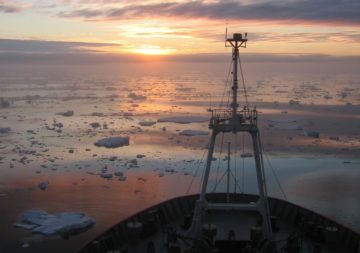
DynOPO investigated the flow of Antarctic Bottom Water through the Orkney Passage, a submarine valley connecting the Atlantic Ocean to the Weddell Sea. The project tested whether winds over the Weddell Sea regulate the volume and temperature of this deep, cold water mass by altering turbulent mixing.
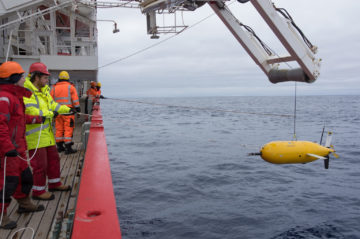
Understanding Antarctic Bottom Water (AABW) and its affect on global ocean circulation.

One of the longest‑running ocean monitoring programmes in the Southern Ocean.
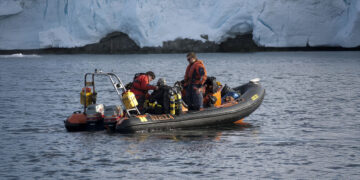
TEA_COSI assesses Arctic Sea-ice which has an important impact on currents and ocean circulations around the globe

iStar-B strives to better understand ocean and ice interaction, processes and variability
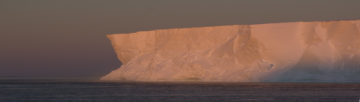
iStar-B studies ocean circulation and melting beneath the ice shelves of the south-eastern Amundsen Sea
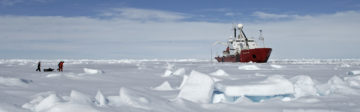
BIOPOLE studies how climate change is affecting the release of nutrients from the polar regions, and their redistribution around the world’s oceans.
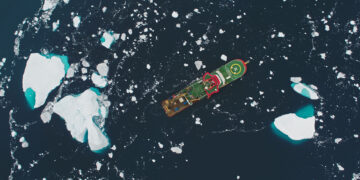
The recent extreme swings in Antarctic sea ice extent emphasise the need to increase our knowledge of the drivers and climate implications of Antarctic sea ice loss.
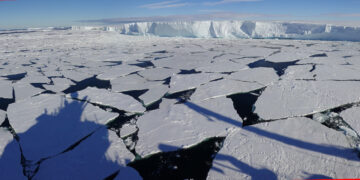
The European Space Agency (ESA) Southern Ocean-Ice Shelf Interactions (SO-ICE) project is a collaborative research project bringing together the ESA Polar+ Ice Shelves and 4D Antarctica projects, and the European Commission Southern Ocean Carbon and Heat Impact on Climate (SO-CHIC) project, in order to improve understanding of the processes controlling ice-ocean interactions in Antarctica.

A major new analysis has confirmed British Antarctic Survey as the world’s leading centre for Antarctic and Southern Ocean research.

Scientists studying world’s largest and most famous icebergs find surprising differences in how they affect ocean life.
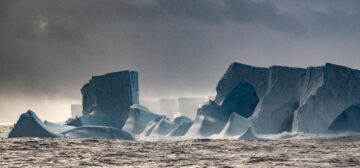
An international team of researchers, led by British Antarctic Survey (BAS), is setting out to discover how glacier calving around Antarctica can trigger powerful underwater tsunamis.
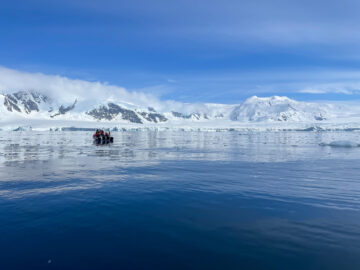
Scientists have discovered vibrant communities of ancient sponges and corals on the newly exposed seafloor following the calving of the giant A-84 iceberg.
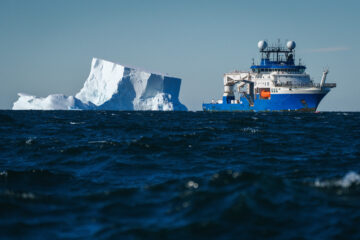
The world’s largest and oldest iceberg A23a has finally come to a standstill as it appears to have run aground near the sub-Antarctic Island of South Georgia.
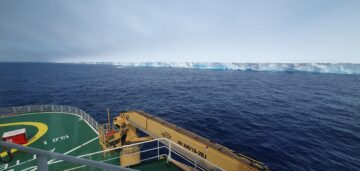
A new study shows that the ongoing decline in Antarctic sea ice is leading to more heat loss from the ocean to the atmosphere and an increase in storm activity. The research, led by the UK’s National Oceanography Centre (NOC), focuses on the record-low sea ice cover in Antarctica during the winter of 2023.
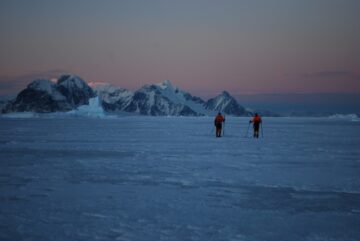
Polar ice sheets are critical for climate projections, according to new research published today in the journal Nature Communications Earth & Environment. Improving understanding of the Greenland and Antarctic ice sheets is essential for reducing the uncertainty around climate tipping points, and vital for guiding projections for a rapidly changing future climate.
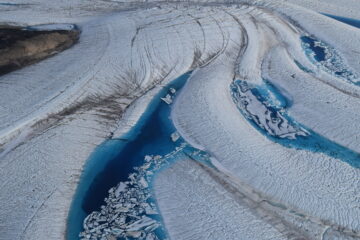
An international research team, led by British Antarctic Survey (BAS), has been awarded £3.7M to advance a ground-breaking study on how underwater tsunamis are triggered by glacier calving around Antarctica.
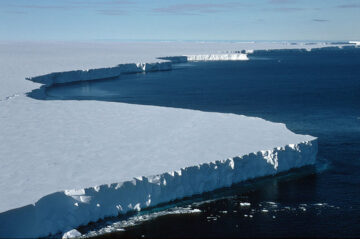
Today marks the release of The Seventh Continent, a new album from the international Sounds of Space Project that offers a unique aural journey to Antarctica.
A greater understanding of how climate change impacts at a regional level is vital to developing effective climate policies that protect communities from escalating risks.

The Royal Society Publishing Photography Competition celebrates the power of photography in capturing scientific phenomena happening all around us, and the role great images play in making science accessible to a wide audience.
Leading UK climate science organisations are driving forwards a national alliance focused on climate solutions for society, led by new co-directors including Professor Michael Meredith from British Antarctic Survey.
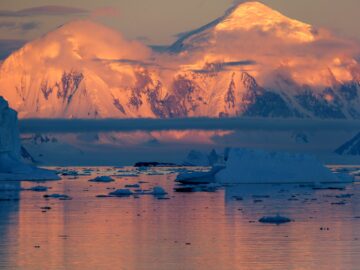
Scientists are warning that apparently stable glaciers in Antarctica can change rapidly and lose large quantities of ice as a result of warmer oceans.
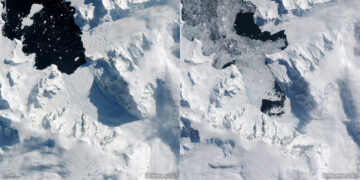
The West Antarctic Ice Sheet will continue to increase its rate of melting over the rest of the century, no matter how much we reduce fossil fuel use, according to British Antarctic Survey (BAS) research published this week in the journal Nature Climate Change.
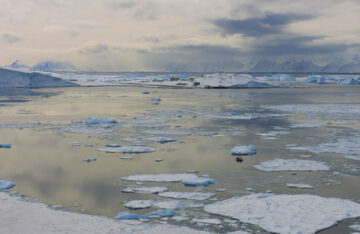
Antarctic Bottom Water is the coldest, densest water mass on the planet and plays a pivotal role in regulating the ocean’s ability to store heat and capture carbon. In a […]
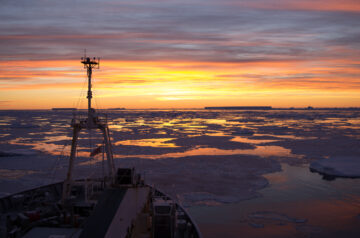
A series of studies on the Southern Ocean, which encircles Antarctica, reveal how it is changing. A special issue of the Journal Proceedings of the Royal Society, led by the […]
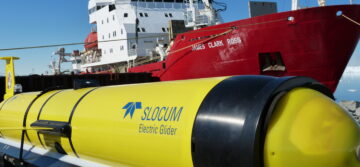
A new study highlights how extreme snowfall events significantly alter the amount of ice lost by the West Antarctic Ice Sheet. A team of scientists from British Antarctic Survey, along […]
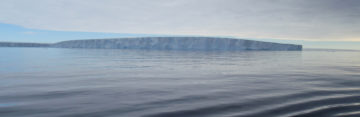
The rapid retreat of Thwaites Glacier in West Antarctica appears to be driven by different processes under its floating ice shelf than researchers previously understood. Novel observations from where the […]
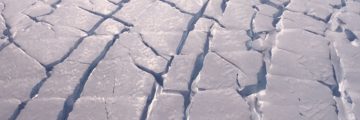
Scientists on a research vessel in Antarctica watched the front of a glacier disintegrate and their measurements ‘went off the scale’. As well as witnessing disruptions on the ocean surface, […]
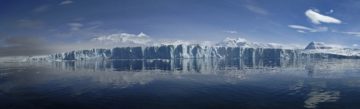
How much water the mountain glaciers of the Himalayas contain and how the mighty Thwaites Glacier in West Antarctica will contribute to global sea-level rise form part of the final […]
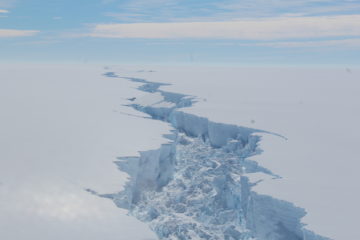
In 2011, Frozen Planet gave BBC viewers an unprecedented insight into life in the Poles. The final episode featured British Antarctic Survey (BAS) glaciologist Dr Andy Smith using explosives to […]
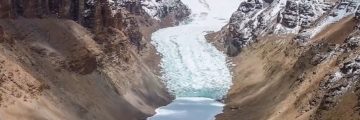
British Antarctic Survey (BAS) scientists will investigate critical challenges facing the UK, thanks to new funding from the Natural Environment Research Council (NERC). A £47m investment to several UK research […]
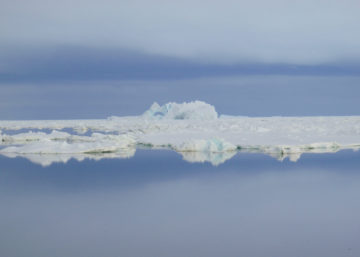
Researchers have used advanced ocean modelling techniques to reveal how greenhouse gas emissions contribute to warmer oceans and resulting melting of the West Antarctic Ice Sheet.
A £5m project funded by the Natural Environment Research Council (NERC) to investigate the complex changes seen in sea ice around the Antarctic begins this month (March 2022) as the […]
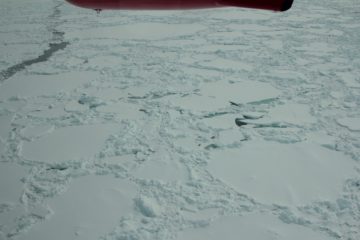
A new study has found that the world’s second-largest ice sheet is generating huge amounts of heat. Researchers including BAS oceanographer Dr Keith Nicholls have observed extremely high rates of melting at the bottom of the Greenland Ice Sheet.
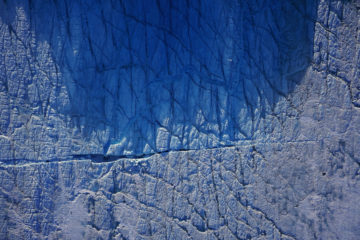
Warming water and receding sea ice in the Western Antarctic Peninsula is changing the local plankton community with potential consequences for climate change, according to an international team of researchers. […]
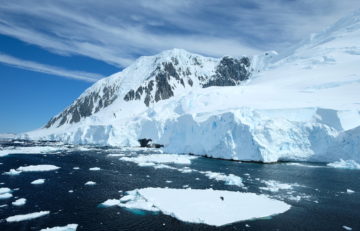
CAMBRIDGE: British Antarctic Survey welcomes the publication of the Intergovernmental Panel on Climate Change (IPCC) Working Group 1 component of its Sixth Assessment Report. This assessment brings together the latest advances in […]
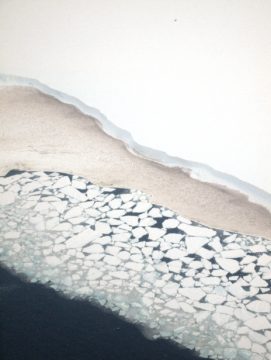
For decades, the ice shelf helping to hold back one of the fastest-moving glaciers in Antarctica – Pine Island Glacier in West Antarctica – has gradually thinned. Analysis of satellite […]
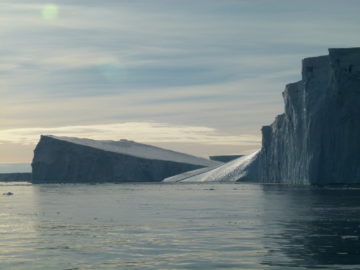
An enormous iceberg has calved from the western side of the Ronne Ice Shelf, in Antarctica. The iceberg, newly named A-76, measures around 4320 sq km in size and is […]
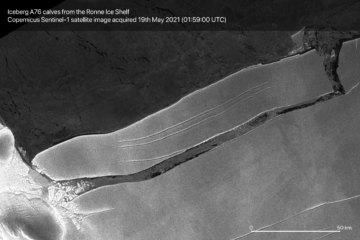
For the first time, geological records have been used to reconstruct the history of Larsen C Ice Shelf in Antarctica. The ice shelf is the largest remaining remnant of a […]
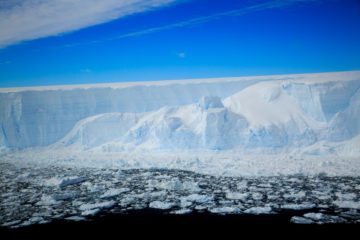
The mission to determine the impact of the giant A-68a iceberg on the important marine ecosystem of sub-Antarctic South Georgia is a success.
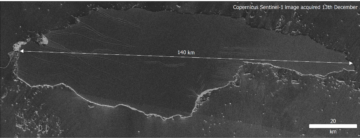
A new unmanned robotic vehicle on the RRS Sir David Attenborough will help scientists to understand the impact of glaciers on sea-level rise.
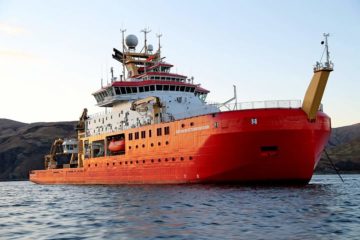
In a study published in Science Advances, researchers from Imperial College London, the University of Lyon and the British Antarctic Survey have shown Antarctic subglacial lakes may be more hospitable […]
Today is International Day of Women and Girls in Science (11 February), a celebration of women and girls in science led by UNESCO and UN-Women. “International Day of Women and […]
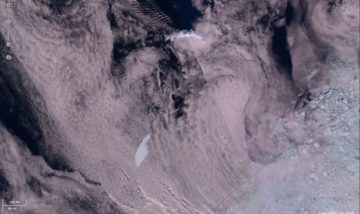
A research mission to determine the impact of the giant A-68a iceberg on one of the world’s most important ecosystems departs from Stanley in the Falkland Islands today (2 February […]
UK Research and Innovation (UKRI) has announced its latest round of Future Leaders Fellowships today (23 April 2020). Congratulations to Dr Dan Jones and Dr Clara Manno of British Antarctic […]
MONACO: Hundreds of scientists and Government representatives met in Monaco this week to finalise the new Intergovernmental Panel on Climate Change Special Report on the Ocean and Cryosphere in a […]
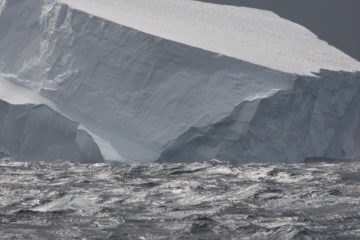
A section of the world’s largest ice shelf in Antarctica – around the size of Spain – is melting 10 times faster than average and warm ocean currents beneath it […]
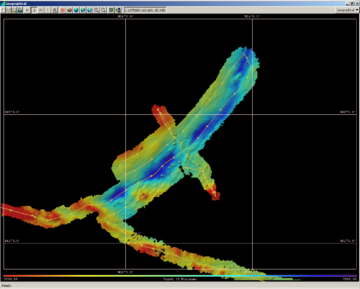
A team of researchers led by British Antarctic Survey has for the first time mapped the deepest part of the South Sandwich Trench in the Southern Ocean. This part of […]
Water entering the oceans from melting ice sheets could cause extreme weather and a change in ocean circulation not currently accounted for in global climate policies, a new study published […]
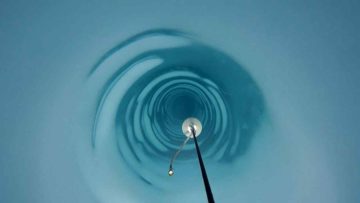
A team of scientists and engineers has for the first time successfully drilled over two kilometres through the ice sheet in West Antarctica using hot water. This research will help […]
British Antarctic Survey (BAS) scientists have been awarded funding to enable them to assess the impact of emissions from shipping and to quantify and manage the risk of climate hazards. […]
Expert comment on IPCC Special Report
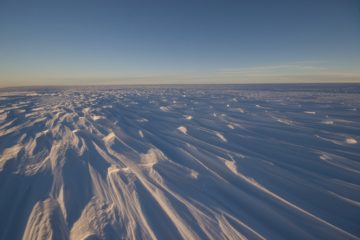
The prestigious Challenger Medal for excellence in marine science has been awarded to British Antarctic Survey (BAS) oceanographer Professor Mike Meredith. Presented every two years by the Challenger Society – […]
Melting of ice shelves in West Antarctica speeds up and slows down in response to changes in deep ocean temperature, and is far more variable than previously thought, according to […]
Report published July 2018
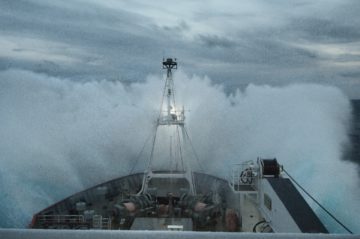
The seas around the Antarctic Peninsula are biologically extremely rich, but are climatically sensitive, having experienced some of the fastest warming globally in recent decades. A special issue of the […]
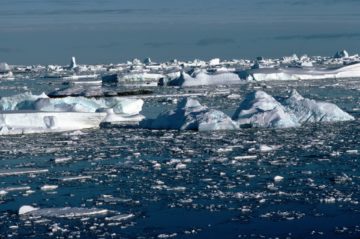
Professor Mike Meredith wins prize
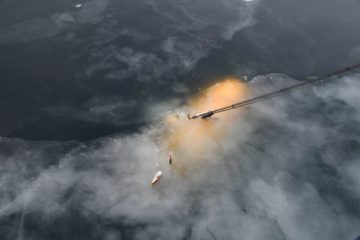
The yellow high-tech autonomous underwater vehicle (AUV), affectionately known as Boaty McBoatface, has successfully returned from an ambitious science expedition deep below half a kilometre of ice. It is the […]
The Intergovernmental Panel on Climate Change (IPCC) has selected Professor Mike Meredith from British Antarctic Survey (BAS) to be a coordinating lead author for a Special Report on the Ocean […]
Last week (12th July) Dr Emily Shuckburgh travelled to Pittsburgh, USA, and received the prestigious 2017 I. E. Block Community Lecture prize from SIAM – the Society for Industrial and […]
Researchers have captured unprecedented data about some of the coldest abyssal ocean waters on earth – known as Antarctic Bottom Water (AABW) – during the first voyage of the yellow […]
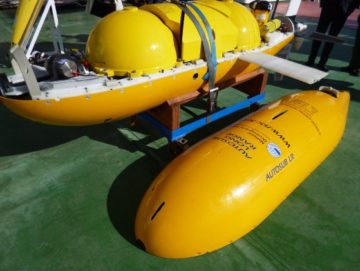
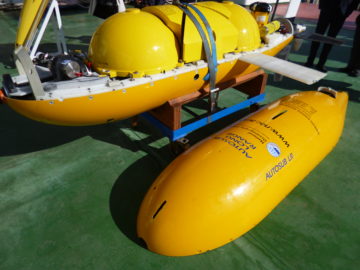
The unmanned submersible Boaty McBoatface was deployed in the Antarctic for the first time.
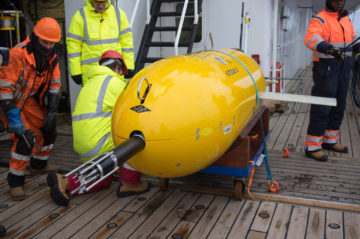
Boaty McBoatface is joining ocean scientists from the University of Southampton and British Antarctic Survey (BAS) on an expedition to study some of the deepest and coldest abyssal ocean waters […]
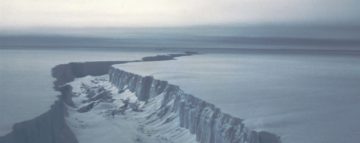
British Antarctic Survey (BAS) recently captured this video footage of a huge crack in the Larsen C Ice Shelf, on the Antarctic Peninsula. Currently a huge iceberg, roughly the size […]
Local weather plays an important part in the retreat of the ice shelves in West Antarctica, according to new research published in the journal Nature Communications today (Friday 17 February). […]
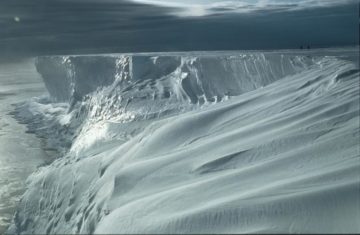
An international team of researchers has discovered why fresh water, melted from Antarctic ice sheets, is often detected below the surface of the ocean, rather than rising to the top […]
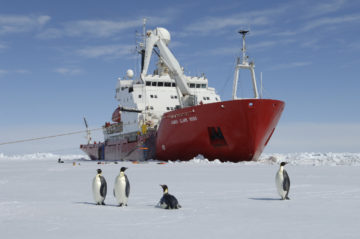
British Antarctic Survey scientist Dr Emily Shuckburgh OBE has co-authored a book on climate change as part of the new Ladybird Expert series, it was announced today. Her co-authors are His […]
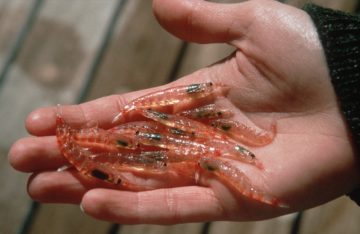
Scientists have discovered that Antarctic krill – a tiny shrimp-like crustacean – plays a key role in fertilising the Southern Ocean with iron, which stimulates the growth of phytoplankton, the […]
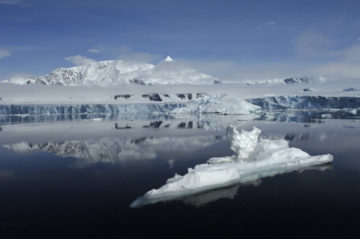
A new study has found for the first time that ocean warming is the primary cause of retreat of glaciers on the Antarctic Peninsula. The Peninsula is one of the largest current contributors to sea-level rise and this new finding will enable researchers to make better predictions of ice loss from this region.
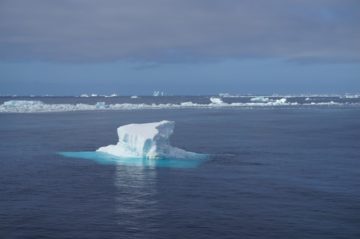
Antarctic sea ice is constantly on the move as powerful winds blow it away from the coast and out toward the open ocean. A new study published today in the journal Nature Geoscience (Monday 27 June) shows how that ice migration may be more important for the global ocean circulation than anyone realized.

Dr Emily Shuckburgh, British Antarctic Survey’s Deputy Head of Polar Oceans, was among those named in the New Year’s Honours List. She has been awarded an OBE for services to […]
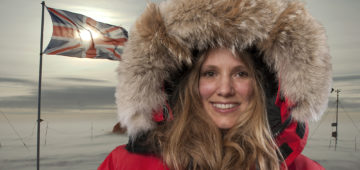
NERC funds PhD training in robotics and autonomous systems
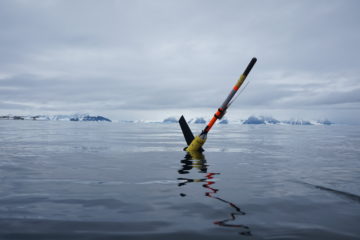
New study shows Antarctic ice shelf is thinning from above and below A decade-long scientific debate about what’s causing the thinning of one of Antarctica’s largest ice shelves is settled […]
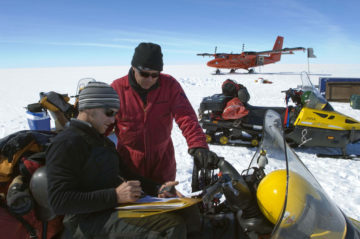
Oceanographers discover ‘Taylor columns’ are widespread in Southern Ocean according to new research published recently in the Journal of Geophysical Research Lead author Professor Mike Meredith, a Senior Oceanographer at […]
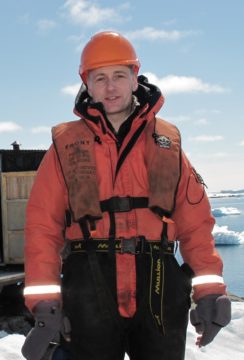
Underwater robot sheds new light on Antarctic sea ice The first detailed, high-resolution 3-D maps of Antarctic sea ice have been developed using an underwater robot. Scientists from the UK, […]
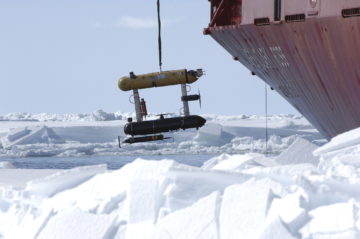
New Atlas of Southern Ocean marine life A new atlas, providing the most thorough audit of marine life in the Southern Ocean, is published this week by the Scientific Committee […]
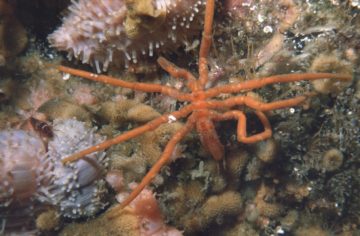
The Southern Ocean: new insights into circulation, carbon and climate A special issue of the Philosophical Transactions of the Royal Society A has been published today (Monday 2 June) which […]
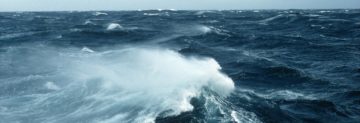
Winter conditions crucial for phytoplankton growth in Southern Ocean An international team of researchers, including the British Antarctic Survey, has found new evidence that winter conditions in the Southern Ocean […]

Pine Island Glacier sensitive to climatic variability A new study published in Science this month suggests the thinning of Pine Island Glacier in West Antarctica is much more susceptible to […]
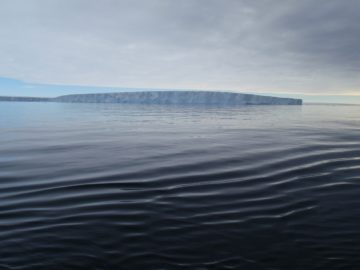
New research sheds light on history of polar current Research conducted by a team that included scientists from British Antarctic Survey reveals the ocean current moving around the South Pole […]
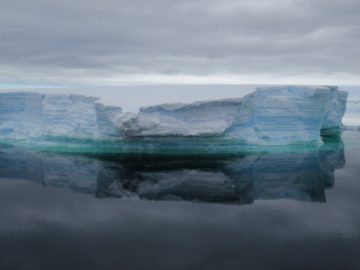
Undersea mountains provide crucial piece in climate prediction puzzle A mystery in the ocean near Antarctica has been solved by researchers who have long puzzled over how deep and mid-depth […]
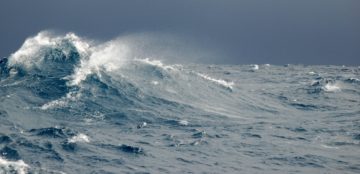
Honorary Professorship for BAS polar ocean expert Michael Meredith Polar ocean expert, Michael Meredith, has been made an honorary Professor by the University of the Highlands and Islands. The professorship […]
Professor Michael Meredith joins the Scottish Association for Marine Science Eminent Antarctic oceanographer, Professor Michael Meredith this week joined the staff at the Scottish Association for Marine Science (SAMS) on […]
Why Antarctic sea ice cover has increased under the effects of climate change The first direct evidence that marked changes to Antarctic sea ice drift have occurred over the last […]
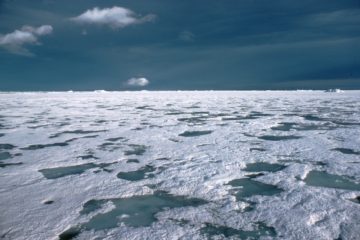
Scientists discover new mechanism at work breaking-up icebergs An international team of scientists has discovered a previously unknown mechanism by which large tabular icebergs break up out at sea as […]
Ocean sampling: Rothera, Antarctic Peninsula: last but not least! Are the World’s oceans all the same, or are they different? OK at the most basic level, we all know that […]
New discovery of how carbon is stored in the Southern Ocean A team of British and Australian scientists has discovered an important method of how carbon is drawn down from […]
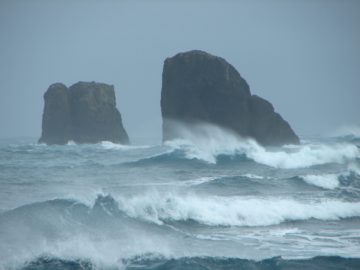
Scientists take part in BBC expedition “Operation Iceberg” This summer two British Antarctic Survey (BAS) scientists head to the Arctic to take part in the BBC expedition ‘Operation Iceberg’. Oceanographers […]
Warm ocean currents cause majority of ice loss from Antarctica Reporting this week (Thursday 26 April) in the journal Nature, an international team of scientists led by British Antarctic Survey […]
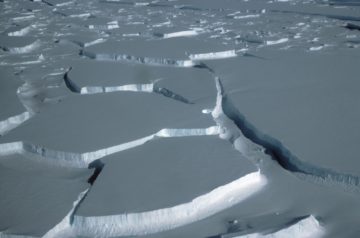
Warm ocean speeds melting of Antarctic glacier New results from an investigation into a large glacier in Antarctica and its impact on global sea level rise are published this week […]
Captain Scott’s century-old collections suggest marine life is capturing more carbon Tiny Antarctic marine creatures collected 100 years ago by Antarctic explorer Captain Robert Falcon Scott give new clues about […]
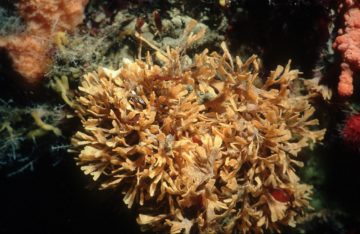
New research sheds light on Antarctica”s melting Pine Island Glacier New results from an investigation into Antarctica’s potential contribution to sea level rise are reported this week (Sunday 20 June) […]
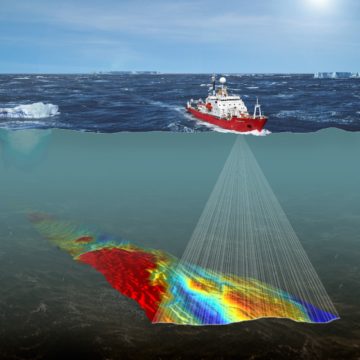
New Antarctic seabed sonar images reveal clues to sea-level rise Motorway-sized troughs and channels carved into Antarctica’s continental shelves by glaciers thousands of years ago could help scientists to predict […]
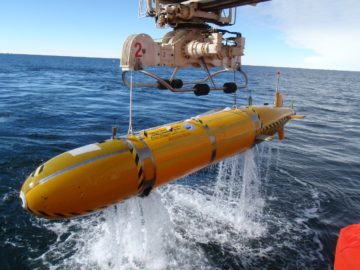
Robot submarine searches for signs of melting under Antarctic Ice Shelf A team of British and American scientists has successfully deployed an autonomous robot submarine on six missions beneath an […]
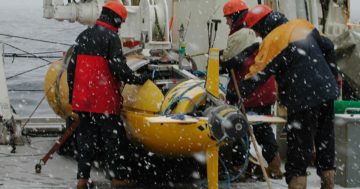
Last week, the team aboard the RRS Sir David Attenborough produced the first significant scientific data set with the ship’s oceanography equipment – a significant milestone in the life of […]
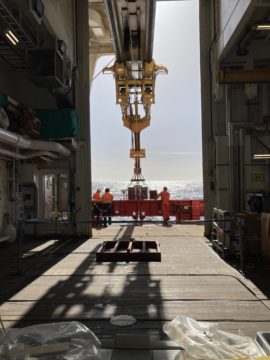
Working in Antarctica often means making the best out of what you got. For the Rothera 2022 wintering team, this meant spending a winter without diving, which had to be […]
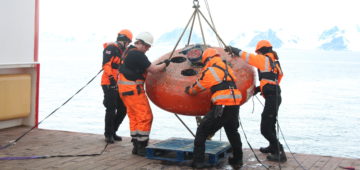
Britain’s new polar ship, RRS Sir David Attenborough, has reached another exciting milestone, completing its first ever scientific assignment – retrieving a scientific mooring! RRS Sir David Attenborough is currently […]
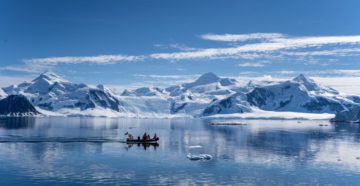
Preparations are underway: a team of researchers are quarantining in the Falkland Islands before they begin their mission on board RRS James Cook bound for the giant A68a iceberg. The […]
Blog: Ocean modeller Dr Kaitlin Naughten discusses what we can do as individuals and as institutions to support our colleagues who stammer.

As the Arctic sea ice minimum approaches this month, we share a blog from Professor Mike Meredith at British Antarctic Survey about how the region is rapidly changing in our […]
Rachel Furner is a PhD student at British Antarctic Survey, which has recently opened up its new AI Lab, that aims to foster the application of various machine learning (and […]
It was finally time to deploy the gliders and I couldn’t be more excited! Autonomous vehicles are regarded as the future of oceanography, and I feel extremely lucky to be […]
After 6 days, 9505 miles and 7 mm of beard growth, the cruise has officially started! Thursday 16th November and finally the time had come for me start my journey […]
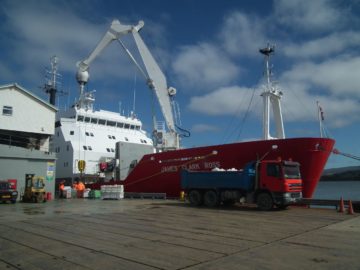
Investigating the Southern Ocean Oceanographers Dan Jones and Erik MacKie are onboard the RRS James Clark Ross carrying out a hydrographic survey in the Southern Ocean as part of a […]
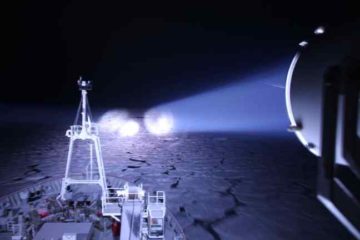
Standing anywhere on Petermann ice shelf, the overriding sense you get is the proximity of water. A lot of water. Standing water, ranging from small ponds, up to lakes hundreds […]